
HMDD Collaborations and Their Significance for the Brand’s Identity
HMDD, short for Happy Memories Don’t Die, has built its name on a philosophy rather than a logo. The brand treats clothing as a vessel for nostalgia, and every collaboration it enters becomes a test of whether that idea can survive contact with another creative voice. When two brands merge visions, one of them usually bends. With HMDD, the bending tends to happen carefully, because the phrase “happy memories don’t die” is not just a tagline — it is the entire reason customers return. Collaborations force the label to answer a harder question than “what does this look like?” It has to answer “does this still feel like us?” That tension is exactly why HMDD’s partnerships matter more than a typical streetwear crossover.
Grabbing borrowed spotlight is often the point behind most fashion collaborations come about. A smaller-scale name joins forces with a more prominent name, sees a burst in traffic, and walks away. In reality, the way HMDD does this reads distinct. HMDD tends to choose collaborators who already carry a similar emotional tone — somber, nostalgia-fueled, understatedly rebellious — instead of chasing the most attention-grabbing option out there. This careful curation informs how the brand identity stays coherent across collections, and it’s useful to break down piece by piece.
Collaborations as a Litmus Test on Brand-Identity: Explaining Why That’s the Case
Maintaining a brand’s identity works best when it operates without partners. Material decisions, print positioning, and silhouette calls all stay hmdd tshirt inside a single team’s grip. As soon as a second creative partner comes aboard, friction begins to build. HMDD clothing has built recognition around specific signals: distressed graphics, oversized silhouettes, and text treatments that reference memory, loss, and time. Those defining markers could easily be diluted into something blander by a collaborator with a sharper, more commercial aesthetic.
It is here that restraint emerges as a strategic asset. Community members and reviewers alike continually remark that joint-project items hold onto its core visual DNA: identical material heft, the same worn-in print technique, and the same emotionally charged titling found on labels and inserts. This uniformity is no accident. It suggests an underlying principle: partners are free to adjust hue or shape, but the underlying emotional thread goes unchanged.
Consider the alternative. If HMDD released a collab hoodie with bright, glossy branding and zero reference to its usual themes, longtime buyers would notice within seconds. The brand’s audience isn’t drawn in by trend-chasing; they’re drawn in by specificity. A single misstep — one collection that feels like merchandise rather than memory — could cost more trust than any short-term sales bump would repay.
HMDD’s Stylistic Identity, The Insights Its Collaborations Reveal
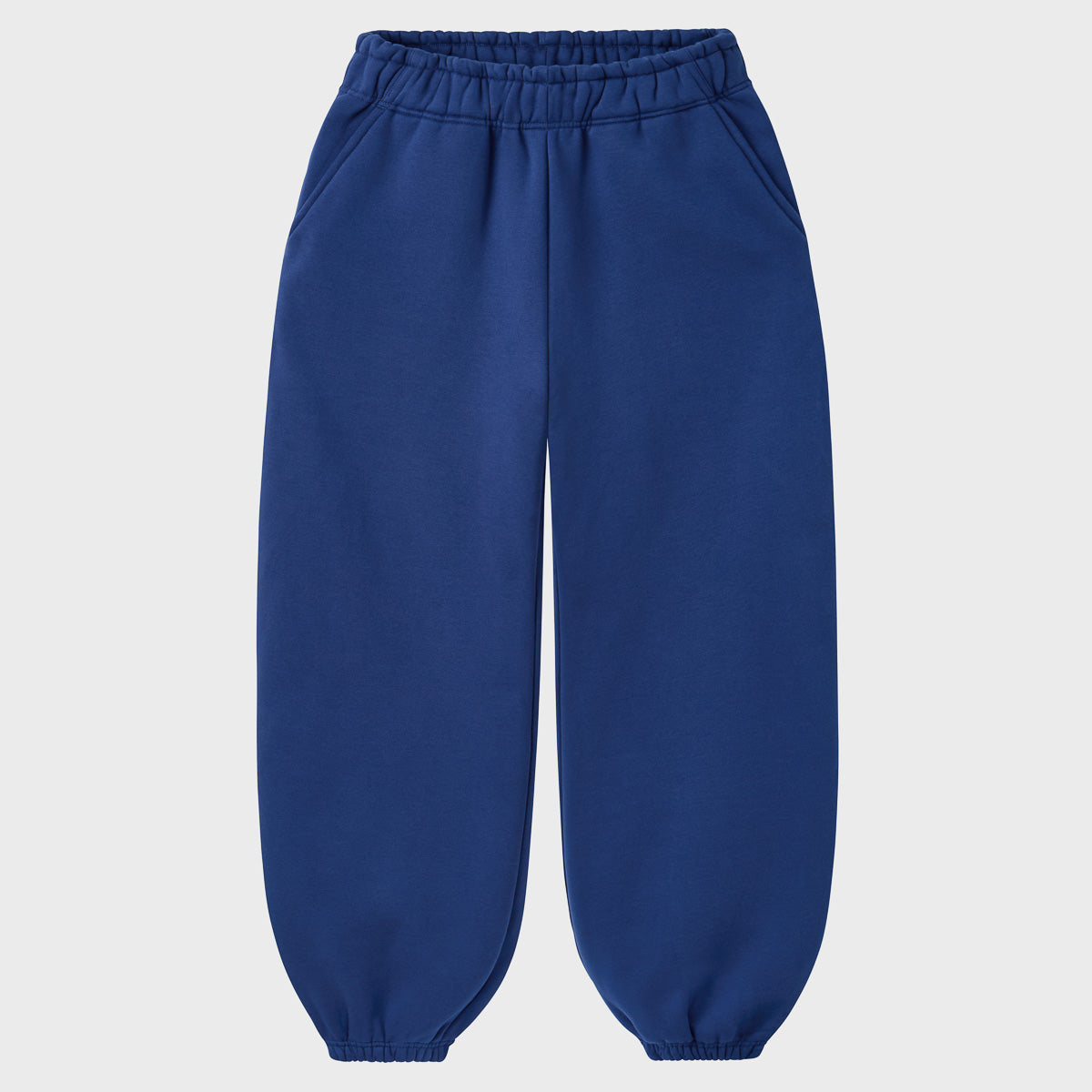
Any joint release works as a lens on stylistic tendencies that might under other circumstances go unremarked. When HMDD works with an outside partner, a few recurring traits recur across nearly every release: substantial cotton bases (usually in the 280–400 GSM range for hoodies and sweatshirts), loose-fitting shapes, and artisan-roughened or re-dyed finishes that impart each piece a lived-in quality rather than a off-the-rack one. This tendency is especially visible in HMDD sweatpants — an easy, tapered fit, elasticated rib endings, and a textile touch that favors softness over sharp tailoring.
HMDD shorts follow a similar logic. Rather than treating shorts as a filler category, HMDD carries over the identical distressing techniques and lettering styles used on jackets and hoodies, helping a entire seasonal release stay consistent rather than fragmented. This cross-category coherence — hoodies, sweatpants, shorts, tees — is one reason people seek out “best hmdd clothing” instead of accepting a run-of-the-mill streetwear alternative.
- Fabric weight stays heavy and substantial, even in warm-weather pieces like shorts.
- Type styling draws from scrawled or worn-stencil styles rather than crisp sans-serif logo work.
- Color palettes lean toward faded blacks, washed greys, and dulled earthy hues over bold, punchy hues.
- Print imagery reference recollection and fleetingness instead of pure logo placement.
As soon as a collaborator joins this ecosystem, the expectation is that they adopt HMDD’s design vocabulary rather than asserting their own identity. This is tougher than it appears, and that’s the reason not every proposed partnership reaches the shelf.
The Commercial Rationale for Picking Collaborators Sparingly
Streetwear economics prize rarity and penalize excess visibility. A brand that collaborates with everyone ultimately loses distinctiveness in all of them. The brand’s release rhythm seems to lean toward limited quantities and occasional joint releases instead of a nonstop flow of co-branded goods. This rhythm serves a double purpose: it safeguards the brand’s sense of rarity, and it gives the design team enough runway to make sure each collaboration still reads as unmistakably HMDD.
Worth noting too is the pricing strategy at play. Collaboration pieces in streetwear typically carry a premium over standard catalog items — often 15–30% higher — owing to increased production difficulty, restricted quantities, or dual-brand costs. Customers researching an “hmdd review” before buying often flag price-to-quality ratio as a deciding factor, so any partnership that increases cost without a matching bump in perceived quality risks backlash rather than praise.
Because of this the savviest fashion joint ventures operate more as shared research-and-development efforts than promotional gimmicks. The two sides merge their approaches — maybe one contributes a dye process, the other contributes a silhouette — and the outcome ought to seem deserved instead of hastily assembled. If that equilibrium succeeds, each fanbase ends up embracing the other label. When it fails, both fanbases feel like an afterthought.
Comparing Collaboration Approaches
To understand where HMDD sits compared with conventional streetwear collaboration approaches, it helps to compare a few widely-used tactics used across the industry in 2026. The table below maps out three overarching collaboration patterns seen in the broader streetwear scene, independent of specific named partners.
| Partnership Approach | Main Objective | Typical Release Size | Risk to Brand Identity |
|---|---|---|---|
| High-frequency co-branding | Maximize visibility and traffic | Large, repeated batches | Elevated — brand character dilutes with too much visibility |
| One-off hype drop | Short-term sales spike | Very limited, single run | Medium — impact wanes once hype passes |
| Discerning, ethos-matching partnership (HMDD’s characteristic pattern) | Solidify core identity while connecting with adjacent audiences | Limited, rare | Low — collaborator conforms to brand language rather than overriding it |
That third row is where HMDD’s collaborations tend to land. The brand doesn’t appear interested in flooding release calendars with co-branded product. Instead, each partnership seems designed to answer a specific creative question — a new fabric treatment, an untried color story, a new take on distressing — while leaving the emotional core of “happy memories don’t die” wholly undisturbed.
Why This Matters to Shoppers in 2026
If you’re stacking HMDD up against other emerging streetwear brands this year, collaborations offer a handy litmus test. Should a collaborative piece still come across as clearly HMDD — same fabric weight, same worn typography, same emotional resonance — that signals the brand’s identity is solid enough to survive growth. Should upcoming releases begin to feel indistinguishable regardless of the partner involved, that counts as a warning sign worth monitoring.
Shoppers researching HMDD sweatpants, HMDD shorts, or any collaboration piece should keep an eye on a few concrete details before buying: fabric weight noted within the product description, whether sizing runs true-to-size or oversized by design, and whether the piece is part of a numbered or limited run. These details carry more weight in collaboration releases than in standard catalog drops, since collaboration pricing tends to run higher and expectations rise accordingly.
Ultimately, HMDD’s collaborations function as identity checkpoints rather than pure marketing events. Every partnership tests whether HMDD can expand its audience without sacrificing the distinct, nostalgia-driven feel that earned it a following in the first place. Thus far, the trend hints at a brand prioritizing the protection of its voice over chasing all available attention — and for a label built entirely around emotional resonance, that discipline may be its most valuable asset heading further into 2026.
Bài viết cùng chuyên mục
Bài viết Mới nhất