
In case the pressure in your head is becoming higher due to some upcoming term paper, depend on us to get some tips that could help. Each year thousands of students seek professional help from a term paper author. They seek services from professional writers who know what they are doing. They get specialist assistance for their papers and Continue reading “How to Hire a Professional Term Paper Writer”
Righteous Shorts Owner Review Care Made Simple
Streetwear Enthusiasts Will Appreciate This Righteous Apparel Gift Guide: Top Selections
Selecting streetwear can feel like a odd kind of pressure test, especially when it’s for someone else. You want something that looks current, fits into a wardrobe that no doubt already has firm views about silhouette and cloth, and doesn’t broadcast “I panic-bought this at the mall.” That’s the exact gap We Are Righteous has been filling for streetwear fans who care about construction as much as aesthetics. This guide walks through what makes Righteous clothing worth considering in 2026, how it stacks up against typical streetwear gifting categories, and which pieces make sense for which kind of recipient.
Let’s be honest, we’re not going to act like hoodies and tees are all cut from the same cloth, so to speak. Someone who’s put in real hours around the streetwear scene recognizes the gap between a brand riding hype and one carving out a distinct identity. Righteous has built its name on being the latter kind of brand, and this difference counts the most if you’re shopping for a gift for someone who’ll immediately notice whether a shirt hangs beautifully or simply exists.
The brand as a Gift: The Reasoning Behind It
Because individual taste in streetwear tends to be deeply subjective and often tribal, shopping in this category is risky. Anyone devoted to oversized silhouettes will not appreciate a fitted, slim-cut crewneck, no matter how pleasant the fabric feels to the touch. Building around a clear-cut identity instead of spreading thin over every fleeting trend, the approach taken by Righteous takes rightious the guesswork out of gifting — and this is partly why it holds up in this regard. Rather than guessing at a brand’s whole personality, you’re selecting out of a catalog that already carries a clear lane.
This is precisely what reviewers tend to scrutinize, because this is the spot where numerous value-priced streetwear brands stumble unnoticed. The construction, the fabric weight, and the durability of the graphic through repeated washes matter more than they would for an occasional-wear item, given that fans of the streetwear scene tend to wear favorite pieces on rotation, sometimes several times a week. Then there’s the functional angle — a present that unravels after just three washes reflects badly on the giver, not just the brand.
If you’ve read even a handful of write-ups on the label, you’ll notice a pattern: a righteous review almost always circles back to fit consistency and print durability before it mentions price. That ordering tells you something about what the actual customer base prioritizes when they talk about the brand to other people.
The Details a We Are Righteous Assessment Commonly Highlights
Customer feedback and independent write-ups, once you’ve gone through them, give you a decent preview of what you’re in for before you buy. A typical we are righteous review commonly touches on three things again and again: the fabric’s heft, the graphic application method, and how accurately sized the pieces are compared to other streetwear labels. It isn’t promotional language — these are the details that surfaces when genuine shoppers are trading observations.
How consistent the sizing is is worth flagging on its own. The streetwear category is infamous for unpredictable fits between brands, which turns gifting sizes genuinely stressful. A we are righteous review will generally note whether a hoodie runs true to size, oversized, or somewhere in the middle, and that one detail can save you from buying a gift that winds up swapped or handed off.
Longevity is the other theme that keeps coming up. People into streetwear often buy into a brand gradually — starting with a hoodie, adding a tee, eventually building a full rotation — because they’re testing whether the first piece holds up before going all in. If the first round of reviews consistently mention a garment holding its shape after extended wear, that says more than one isolated five-star score.
The Righteous Hoodie Lineup as the Anchor Gift
If you’re only buying one item, a hoodie is almost always the surest pick in streetwear gifting, and the righteous hoodie lineup is typically the first place shoppers land. Hoodies get worn in a wider range of situations than nearly any other piece — thrown under a jacket, worn on its own on weekends, grabbed for a quick coffee run — which means the cost-per-wear math works out better than it does for pieces you wear less often like printed tees or add-ons.
A hoodie is also the clearest way to convey brand identity at a glance. The graphics, where the embroidery sits, and how the hood is built are all easier to spot on a hoodie than on a tee, so if whoever’s getting the gift is someone who’s really into the brand story behind what they wear, this is the piece that communicates that story most fully. It’s also the garment most apt to earn compliments, which carries more weight with streetwear fans than people outside the culture tend to realize.
In practical terms, hoodies also address the fit worries brought up earlier. Because hoodies are generally worn a little loose regardless of brand, slight fit discrepancies matter far less than they would with a fitted tee or bottoms. That built-in forgiveness makes it the lowest-risk high-impact gift in the entire category.
Comparing Righteous Apparel to Standard Streetwear Gift Options
It’s useful to examine how Righteous pieces compares against the wider gifting landscape rather than assessing it in isolation. The chart that follows outlines four typical streetwear gift categories by the factors that genuinely matter to the people receiving them: fit consistency, everyday wearability, and gifting level of risk.
| Category of Gift | Sizing Reliability | Daily Wearability | Overall Gifting Risk |
|---|---|---|---|
| Righteous Hoodie | Solid — reliable sizing input across reviews | Very high — functions across seasons and settings | Low |
| The Graphic Tee (non-branded streetwear) | Middling — differs significantly by brand | Moderate — climate and context dependent | Medium |
| Tailored Streetwear Bottoms | Low — sizing widely variable between labels | Mixed — fit-reliant comfort | Significant |
| Add-on Streetwear Pieces (caps, bags) | High — one-size or flexible formats | Strong — no fit risk, but smaller personal impact | Minimal |
The takeaway here isn’t that every other category fall short — add-ons are truly low-risk and useful as add-on gifts. Yet if you want a standalone gift that carries emotional weight, demonstrates intention, and still steers clear of the sizing trap that spoils so many streetwear gifts, a hoodie from a brand with a clear identity checks more boxes than the competing choices.
Pairing Righteous Items with the Right Kind of Recipient
Every streetwear enthusiast has different preferences, so it’s important to consider who you’re really shopping for. Someone newer to the culture, still growing their collection, gets the most value from a piece that’s easy to style with what they currently have — think a hoodie in a neutral colorway that fits under existing jackets rather than a striking statement piece that has to anchor an entire outfit.
A more established streetwear enthusiast, someone with a closet packed with well-known brands already, is a whole different scenario. This person is weighing Righteous apparel against brands they already know intimately, so details like print technique, fabric weight, and how the brand’s identity comes through in design will matter more than everyday practicality. For this recipient, choosing a piece that distinctly captures the brand’s distinct point of view generally lands more successfully than a safer, more generic option.
Then there’s the recipient who’s already devoted to the brand already — someone who has brought up Righteous apparel specifically or already owns a piece. For this person, the most reliable strategy is checking what they don’t yet have rather than duplicating a hoodie color or style they’ve already worn out. A brief look through their present collection, or a light inquiry about what they’re hoping to get next, avoids the awkward outcome of a duplicate gift.

How to Time a Gift with 2026 Drop Cycles
Streetwear labels tend to work in drop cycles rather than constant restocking, and that pattern affects gifting planning more than most people realize. Shopping early within a season, before sought-after sizes become unavailable, is generally safer than holding off until the week before a gifting event, when particular sizes or colorways are more likely to be limited or unavailable.
You should also factor in a buffer for exchanges. Regardless of how consistent the sizing is, gifting across sizes is by nature imperfect — you’re making an educated guess about someone else’s favored fit, not testing it on your own body. Planning your purchase with enough lead time to accommodate a size exchange, rather than shopping at the last opportunity, takes away most of the stress from the process.
Finally, pay attention to how the piece is described in terms of fit before you buy. Regardless of whether an item is described as true to size, relaxed, or oversized should guide your size selection directly, and checking that description against recent reviews is the single most worthwhile five minutes you can spend before finalizing the order.
This Year’s Final Thoughts on Giving We Are Righteous
Buying streetwear as a gift doesn’t have to be a guessing game if you focus on the core principles: fit consistency, fabric durability, and true brand identity. We Are Righteous delivers on all of that in a category where a lot of rivals are following trends without the build quality to hold up over time. A hoodie remains the strongest single gift option thanks to its adaptability and generous fit, but tees and accessories make for thoughtful add-ons once you understand the gift recipient’s existing rotation. Whether you’re buying for someone new to the culture or a longtime fan who already knows the brand well, the basics covered here should make the decision much simpler heading into 2026.
What Makes HMDD Cotton Tee Iconic Occasion Styling Ideas
HMDD Collaborations and Their Significance for the Brand’s Identity
HMDD, short for Happy Memories Don’t Die, has built its name on a philosophy rather than a logo. The brand treats clothing as a vessel for nostalgia, and every collaboration it enters becomes a test of whether that idea can survive contact with another creative voice. When two brands merge visions, one of them usually bends. With HMDD, the bending tends to happen carefully, because the phrase “happy memories don’t die” is not just a tagline — it is the entire reason customers return. Collaborations force the label to answer a harder question than “what does this look like?” It has to answer “does this still feel like us?” That tension is exactly why HMDD’s partnerships matter more than a typical streetwear crossover.
Grabbing borrowed spotlight is often the point behind most fashion collaborations come about. A smaller-scale name joins forces with a more prominent name, sees a burst in traffic, and walks away. In reality, the way HMDD does this reads distinct. HMDD tends to choose collaborators who already carry a similar emotional tone — somber, nostalgia-fueled, understatedly rebellious — instead of chasing the most attention-grabbing option out there. This careful curation informs how the brand identity stays coherent across collections, and it’s useful to break down piece by piece.
Collaborations as a Litmus Test on Brand-Identity: Explaining Why That’s the Case
Maintaining a brand’s identity works best when it operates without partners. Material decisions, print positioning, and silhouette calls all stay hmdd tshirt inside a single team’s grip. As soon as a second creative partner comes aboard, friction begins to build. HMDD clothing has built recognition around specific signals: distressed graphics, oversized silhouettes, and text treatments that reference memory, loss, and time. Those defining markers could easily be diluted into something blander by a collaborator with a sharper, more commercial aesthetic.
It is here that restraint emerges as a strategic asset. Community members and reviewers alike continually remark that joint-project items hold onto its core visual DNA: identical material heft, the same worn-in print technique, and the same emotionally charged titling found on labels and inserts. This uniformity is no accident. It suggests an underlying principle: partners are free to adjust hue or shape, but the underlying emotional thread goes unchanged.
Consider the alternative. If HMDD released a collab hoodie with bright, glossy branding and zero reference to its usual themes, longtime buyers would notice within seconds. The brand’s audience isn’t drawn in by trend-chasing; they’re drawn in by specificity. A single misstep — one collection that feels like merchandise rather than memory — could cost more trust than any short-term sales bump would repay.
HMDD’s Stylistic Identity, The Insights Its Collaborations Reveal
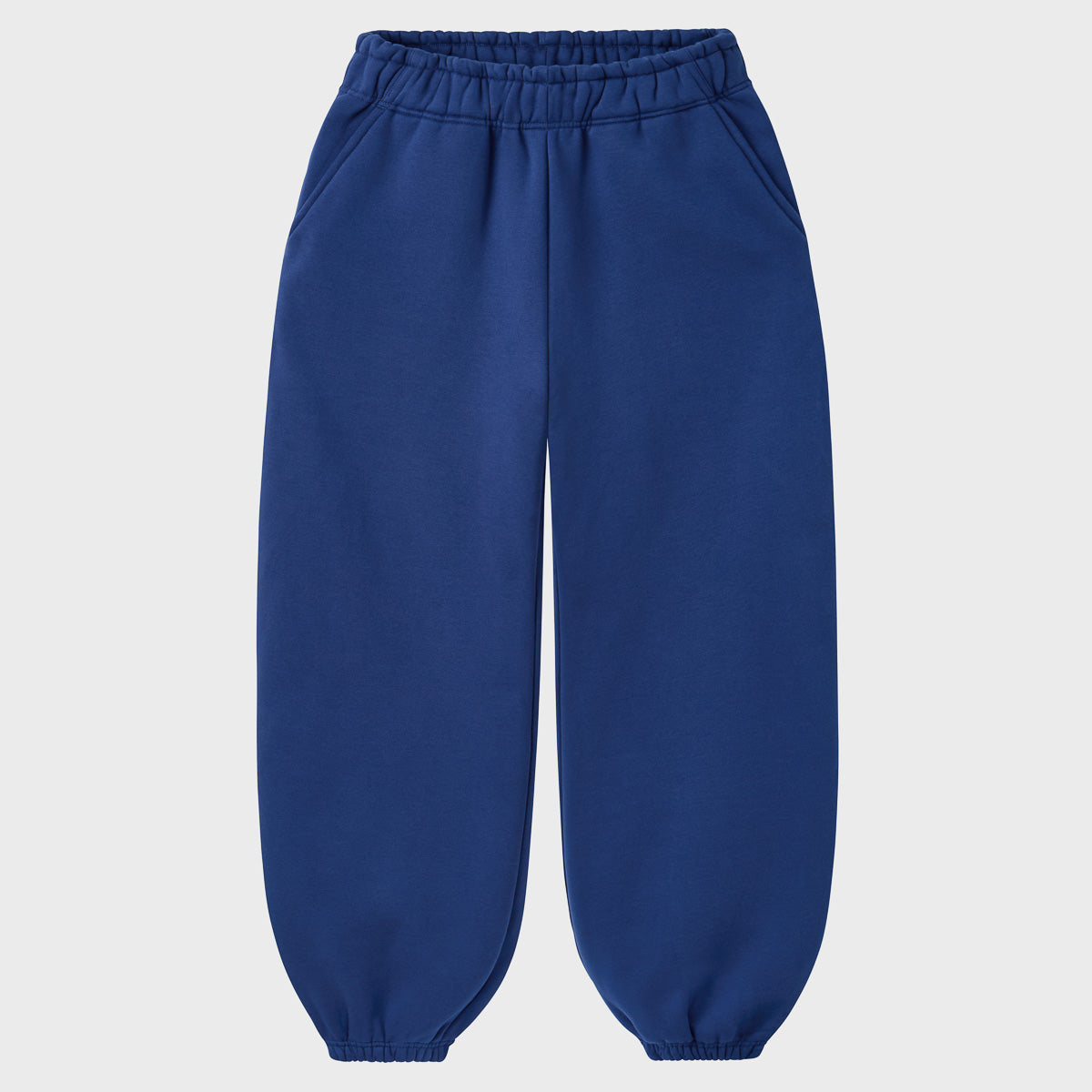
Any joint release works as a lens on stylistic tendencies that might under other circumstances go unremarked. When HMDD works with an outside partner, a few recurring traits recur across nearly every release: substantial cotton bases (usually in the 280–400 GSM range for hoodies and sweatshirts), loose-fitting shapes, and artisan-roughened or re-dyed finishes that impart each piece a lived-in quality rather than a off-the-rack one. This tendency is especially visible in HMDD sweatpants — an easy, tapered fit, elasticated rib endings, and a textile touch that favors softness over sharp tailoring.
HMDD shorts follow a similar logic. Rather than treating shorts as a filler category, HMDD carries over the identical distressing techniques and lettering styles used on jackets and hoodies, helping a entire seasonal release stay consistent rather than fragmented. This cross-category coherence — hoodies, sweatpants, shorts, tees — is one reason people seek out “best hmdd clothing” instead of accepting a run-of-the-mill streetwear alternative.
- Fabric weight stays heavy and substantial, even in warm-weather pieces like shorts.
- Type styling draws from scrawled or worn-stencil styles rather than crisp sans-serif logo work.
- Color palettes lean toward faded blacks, washed greys, and dulled earthy hues over bold, punchy hues.
- Print imagery reference recollection and fleetingness instead of pure logo placement.
As soon as a collaborator joins this ecosystem, the expectation is that they adopt HMDD’s design vocabulary rather than asserting their own identity. This is tougher than it appears, and that’s the reason not every proposed partnership reaches the shelf.
The Commercial Rationale for Picking Collaborators Sparingly
Streetwear economics prize rarity and penalize excess visibility. A brand that collaborates with everyone ultimately loses distinctiveness in all of them. The brand’s release rhythm seems to lean toward limited quantities and occasional joint releases instead of a nonstop flow of co-branded goods. This rhythm serves a double purpose: it safeguards the brand’s sense of rarity, and it gives the design team enough runway to make sure each collaboration still reads as unmistakably HMDD.
Worth noting too is the pricing strategy at play. Collaboration pieces in streetwear typically carry a premium over standard catalog items — often 15–30% higher — owing to increased production difficulty, restricted quantities, or dual-brand costs. Customers researching an “hmdd review” before buying often flag price-to-quality ratio as a deciding factor, so any partnership that increases cost without a matching bump in perceived quality risks backlash rather than praise.
Because of this the savviest fashion joint ventures operate more as shared research-and-development efforts than promotional gimmicks. The two sides merge their approaches — maybe one contributes a dye process, the other contributes a silhouette — and the outcome ought to seem deserved instead of hastily assembled. If that equilibrium succeeds, each fanbase ends up embracing the other label. When it fails, both fanbases feel like an afterthought.
Comparing Collaboration Approaches
To understand where HMDD sits compared with conventional streetwear collaboration approaches, it helps to compare a few widely-used tactics used across the industry in 2026. The table below maps out three overarching collaboration patterns seen in the broader streetwear scene, independent of specific named partners.
| Partnership Approach | Main Objective | Typical Release Size | Risk to Brand Identity |
|---|---|---|---|
| High-frequency co-branding | Maximize visibility and traffic | Large, repeated batches | Elevated — brand character dilutes with too much visibility |
| One-off hype drop | Short-term sales spike | Very limited, single run | Medium — impact wanes once hype passes |
| Discerning, ethos-matching partnership (HMDD’s characteristic pattern) | Solidify core identity while connecting with adjacent audiences | Limited, rare | Low — collaborator conforms to brand language rather than overriding it |
That third row is where HMDD’s collaborations tend to land. The brand doesn’t appear interested in flooding release calendars with co-branded product. Instead, each partnership seems designed to answer a specific creative question — a new fabric treatment, an untried color story, a new take on distressing — while leaving the emotional core of “happy memories don’t die” wholly undisturbed.
Why This Matters to Shoppers in 2026
If you’re stacking HMDD up against other emerging streetwear brands this year, collaborations offer a handy litmus test. Should a collaborative piece still come across as clearly HMDD — same fabric weight, same worn typography, same emotional resonance — that signals the brand’s identity is solid enough to survive growth. Should upcoming releases begin to feel indistinguishable regardless of the partner involved, that counts as a warning sign worth monitoring.
Shoppers researching HMDD sweatpants, HMDD shorts, or any collaboration piece should keep an eye on a few concrete details before buying: fabric weight noted within the product description, whether sizing runs true-to-size or oversized by design, and whether the piece is part of a numbered or limited run. These details carry more weight in collaboration releases than in standard catalog drops, since collaboration pricing tends to run higher and expectations rise accordingly.
Ultimately, HMDD’s collaborations function as identity checkpoints rather than pure marketing events. Every partnership tests whether HMDD can expand its audience without sacrificing the distinct, nostalgia-driven feel that earned it a following in the first place. Thus far, the trend hints at a brand prioritizing the protection of its voice over chasing all available attention — and for a label built entirely around emotional resonance, that discipline may be its most valuable asset heading further into 2026.
Tory Burch Handbag Sizing Guide Charlie Bag Edit
Your Tory Burch Capsule Wardrobe, Assembled Piece by Piece
A capsule built around a single label depends on that label having range, and this one has it, with ready-to-wear, denim, knitwear, outerwear, bags, shoes and swim under one roof. The risk is the opposite of scarcity. With a broad assortment and a recognisable logo, ending up with six versions of the same idea is easy. The approach here works outward from a budget instead of inward from a wish list. Every price quoted is an observed market price read on the brand’s own site in September 2026, not an official price list, and figures move with season, market, material and channel. The aim is eight to twelve pieces that go together easily and survive several years.
The Budget Comes First, Before A Single Choice
Set the total first and the individual numbers second, since individual numbers expand to fill whatever space you leave them. Observed 2026 prices fall into three usable bands. At the entry band, roughly $95 to $200, you get card cases, cosmetic cases, hair clips, jelly sandals, cotton tanks and the Miller sandal. The core band runs roughly $250 to $600 and covers most sandals, sneakers, loafers, ankle boots, mid-weight knitwear and most leather bags. The top band runs from roughly $695 to $995, taking in tall boots, Lee Radziwill bags and tailored outerwear such as a double breasted wool coat at $995. Knowing the band a category belongs to heads off the usual error, which is spending everything on one bag and having nothing to wear it with.
Choosing the Anchor Bag
A single bag carries the Tory Burch capsule, so it earns the longest thought. Volume, not style, is the practical question, so a tote for a laptop, a structured satchel if it has to hold shape empty, a crossbody if you carry little. Observed at $260, the Ella twist reversible tote makes nylon the cheapest way into a genuinely large bag. Leather moves the numbers up, with a Perry tote or crossbody at $395, a Fleming crossbody at $470, a Fleming carryall at $695, and the Lee Radziwill double bag at $595 petite or $795 small. Colour matters more than model, and a mid-brown, black or deep neutral outlasts a seasonal shade by years. Worth one note on naming, because Kira, Eleanor, Romy, Pierced and Miller are used for bags and for shoes alike, so filter by category.
Two Pairs of Shoes That Cover Most Days
Most of a normal week is covered by two pairs, one flat sandal or loafer and one closed shoe. Introduced in 2008, the Miller thong sandal is the recognisable entry point at an observed $200, while the cushioned Miller Cloud sandal is $225 and the lighter Miller Cloud Light $150. The Ines slide sits at $225, offering the same idea with a quieter logo. On the closed-shoe side, the classic loafer and LeeLee loafer are observed at $325 and field sneakers at $250. Paused in 2017 and relaunched in 2025 as a redesign, the Reva ballet flat is reported at roughly $330 to $350 against its original $195, which places it alongside loafers rather than below them. The autumn addition is a third pair, the Romy Chelsea boot at $395, and not a second sandal.
Clothing: Denim, Knitwear and One Dress
A capsule earns its keep in ready-to-wear, where three categories do most of the work. Denim is a genuine in-house category rather than a licence, with a slim leg jean observed at $350 and a wide leg jean at $395, and one well-fitting pair anchors more outfits than anything else. The second pillar is knitwear, where a merino wool turtleneck is $420 and a T Monogram jacquard cardigan $550. A single dress covers what the first two cannot, and at $550 a printed viscose jersey dress travels further than a more decorative option. Below those, cotton scoop tanks and ribbed tank tops at $150 make tory burch clothing you already own more wearable. Elevated American sportswear with an off-kilter femininity is the house style, so let the plain pieces carry the printed ones.

The Expensive Decision: Coats and Blazers
Every capsule contains one item that costs more than it appears to deserve, and here it is usually the coat. Topping the range is a double breasted wool coat at an observed $995, with a corduroy blazer at $750 beneath it. The argument for spending here is arithmetic rather than aspiration: a coat goes over almost everything else and wears out slowly. Against that, it competes with specialist outerwear makers and deserves judging on cut and cloth rather than label. If the budget cannot carry both a coat and an anchor bag, buy the bag first, because a bag works year-round. The compromise is a blazer, which works as outerwear indoors and as a layer outdoors.
Priced Routes: Three Shapes
The routes below are built from observed September 2026 prices and are shapes rather than shopping lists. Each is internally consistent, meaning every piece works with every other piece in the same row. A little over a thousand dollars buys the starter route, a wearable capsule founded on nylon and the entry shoe band. The considered route costs about twice as much, trading nylon for leather and adding a second bag plus better knitwear. Twice into the top band goes the full route, once for the coat and once for the bag. Tax, alterations and shoe protection sit outside these totals, all of which assume full price, and the next section argues against paying it.
| Route | The pieces | Observed total, 2026 |
|---|---|---|
| Starter route | Miller sandal $200, field sneaker $250, cotton scoop tank $150, slim leg jean $350, Ella twist reversible tote $260 | $1,210 all in |
| Considered route | Perry tote $395, Fleming crossbody $470, classic loafer $325, merino turtleneck $420, wide leg jean $395, Miller Cloud sandal $225 | Total of $2,230 |
| Full route | Small Lee Radziwill double bag $795, Romy ankle boot $495, classic loafer $325, wool V-neck sweater $495, T Monogram straight leg jean $395, double breasted wool coat $995 | $3,500 all in |
Timing: Where the Discount Actually Sits
Nobody needs to build this at full price in a single month. A recurring semi-annual sale runs at the brand, and coverage of the July 2026 edition described sandals under $100 and reductions of up to about half, while deeper claims of up to seventy percent are promotional copy rather than any guarantee. There is also a separate private sale gated to account holders, reported to run roughly twice a year, although that cadence is unconfirmed. Physical stores make up a tory burch outlet network in premium outlet centres, yet the company states plainly that it runs no online outlet, so any site advertising itself as one is not the brand. In 2026 the off-price picture changed, since Nordstrom Rack and TJ Maxx continue to carry the label and remain legitimate, whereas Saks OFF 5TH closed its e-commerce operation altogether after Saks Global’s bankruptcy earlier in the year. The pieces that rarely discount are worth full price, so wait for the rest, and do it in this order.
- The anchor bag first, in a neutral colour, whatever the price.
- One pair of closed shoes, fitted in person.
- Denim, because fit decides everything and returns are tedious.
- Knitwear during a genuine tory burch sale, where seasonal markdowns run deepest.
- Sandals once late summer arrives and the semi-annual event lands.
- The coat last, and only if everything else already works.
Sizing, Fit and Returns
The largest single cause of a wasted purchase here is fit, and buyer reports are consistent enough to plan around. Long-running buyer threads describe tory burch shoes as running narrow across the line, and this is buyer consensus rather than brand policy. Most often the Miller sandal is called slightly small and narrow, the usual advice being half a size up, and a wide width does exist for it. Reports on the Reva are mixed: some find it true to size, many go up half a size, and the common view is that it is shallow and narrow through the toe box. A wide version exists for some styles, including the Ines slide, so check before assuming a style is closed to you. Buy knitwear and denim in person where possible, since sale garments are often final sale.
What to Skip
Refusals define a capsule as much as purchases do. Leave out the second logo-heavy bag, because two recognisable pieces in one outfit read as a uniform rather than a wardrobe. Unless you genuinely travel for them, leave seasonal swim and beach pieces alone, as a $470 long linen caftan is a holiday purchase rather than a foundation. Fragrance, watches and eyewear sit outside the capsule maths entirely, with fragrance under a Shiseido licence effective from the start of 2020 and eyewear under a long-standing Luxottica licence. Drop the assumption that the runway is a higher tier, because runway pieces feed the same seasonal main collection rather than a separate diffusion line. Buying fewer, plainer things from tory burch and wearing them harder beats buying more.
Valentino VLogo Shopper Black Leather Finish
The VLogo Signature Line: Clutches, Buckets and Shopping Bags
If the Rockstud is the house at full volume, the VLogo Signature is the house speaking at conversational volume. The line is built around a present-day V emblem that functions as hardware, as fastening and as the sole decoration most of these bags carry, across clutch, bucket, bowling and large tote formats. The collection’s price ladder is at its widest here: observed 2026 market prices cover everything from 650 dollars for a small grainy calfskin clutch to 3,750 dollars for a shopping bag in soft leather. At the bottom of the range it is the practical entry point to the house; at the other end it becomes a serious everyday bag. The line is covered below format by format, starting small and working up, noting which shapes earn their price, and every number quoted is an observed market price, not an official price list.
What the V emblem is doing
Since the V emblem functions as hardware before it functions as a logo, it never turns loud, however large it gets. On the clutches it sits as a flat plaque; on the bucket and bowling shapes it functions as a closure or a clasp; on the shopping bags it holds the front panel on its own. Nothing is studded and nothing is quilted, leaving the silhouette and the leather to carry the design. The absence is deliberate, since it makes VLogo Signature the sensible pick for anyone after a valentino garavani bag without www.valintinoshop.com the pyramid studs that define the Rockstud family. The hardware finishes observed across the house cover light gold and antique-brass tones, with jewel-set variants showing up mainly in other lines. As structures, these are simple valentino bags, and with simple bags proportion decides everything, and this line generally manages it.
The clutches, and why they matter more than their price suggests
Clutches are the least expensive door into the house and, for many owners, the most usefully understated thing here. Observed prices put small grainy calfskin versions between 650 and 790 dollars and a moire version at 750, placing them below Rockstud wallets at 1,250 dollars and well below any Rockstud bag. A clutch is the format that leans hardest on the emblem, since there is little surface for anything else. Of the two, grainy calfskin wears harder, while moire brings a textile sheen that photographs beautifully and marks more easily. Neither one is a laptop bag, and neither pretends otherwise; these are evening and dinner pieces, or pouches that live inside a larger tote. Before the sections that follow work through each format in turn, the table below shows the whole line in a single view.
| Format of bag | Material seen | Price observed in 2026 | Suited to |
|---|---|---|---|
| Small clutch | Grainy calfskin | $650-790 | First-time buyers, evening wear |
| Clutch | Moire | $750 | Dressing for an occasion |
| Mini bucket | Nappa | $1,450 | Everyday carry, kept small |
| Mini bag and mini bowling | Leather | $1,750 | Days out, hands free |
| Shopping bag | Suede or soft leather | $2,650-3,750 | Commuting, travel, daily tote duty |
The mini bucket and the mini bowling
The middle of the line is where most buyers land, the ground between the clutches and the totes. Observed pricing put a mini bucket in nappa at 1,450 dollars, while the mini bag and mini bowling shapes were both observed at 1,750 dollars, placing them level with the Rockstud mini shopping bag instead of above it. The bucket is the softer of the two: it slumps agreeably, takes more than you would expect, and the drawstring-style opening keeps everything out of view. The bowling shape is the firmer of the two and keeps its outline better when put down, good news for anyone who dislikes rummaging. Shorten the strap and either one works as a compact valentino shoulder bag, and both sit comfortably across the body once the strap is let out. A detail worth knowing: the brand’s own site has no crossbody category page, organising bags under shoulder bags, totes, top handle bags, clutches, wallets and small leather goods, meaning crossbody is a way of describing a bag rather than a place to browse.
The shopping totes
At the top of the line the VLogo Signature shopping bags run from 2,650 to 3,750 dollars in suede or soft leather, which is real money for an unstudded tote. You are paying for scale and material rather than hardware, and what separates the suede from the soft leather version is largely temperament. Suede is the prettier and the more demanding, hating water and asking for a dry brush instead of a cloth; soft leather forgives commuting, rain and a car footwell. Either way this is the format that turns the line into a working valentino tote bag rather than an occasion piece. For context, the Jean medium shopping bag in nappa chevron was observed at 3,650 dollars and Rockstud mini shopping bags between 1,390 and 1,850, so VLogo shopping bags sit in the upper middle of the tote range. Planning to carry it every day? Take the leather, and size up rather than down.
Why GARAVANI appears on the bags
Buyers regularly ask why an emblem-led line still writes VALENTINO GARAVANI on the interior tag, and the reason is legal rather than aesthetic. How the Rome-founded couture house and the separate Naples company Mario Valentino S.p.A. may each use the Valentino name is governed by a 1979 coexistence agreement, and under it the couture house is contractually obliged to use GARAVANI in addition to VALENTINO on leather goods and in their advertising. Running the other way, the agreement limits how the other company may pair a V with the Valentino name on leather goods. These are two completely separate businesses that happen to share a surname, not a main line and a cheaper offshoot, and confusing them is the single most common error in the category. In practice it is an easy check: an interior tag reading VALENTINO and GARAVANI in capitals with MADE IN ITALY marks a bag from the luxury house. A bag reading only Valentino with Mario Valentino inside is a genuine product of that other company, at a different price point.
The VLogo pieces you can no longer buy new
Not every bag carrying the emblem is still in production, and three of them turn up constantly in second-hand listings. The VLogo Escape tote, in hammered and quilted leather with double handles, a removable strap and gold-tone hardware, has been reported as discontinued by a resale platform. The VLogo Supervee shoulder bag is resale-only territory now, one pre-owned example having been observed at around 866 dollars. A Valentino Garavani Stud Sign VLogo leather shoulder bag exists too, but it is absent from the current site filters, which puts it in the same archive-or-clearing bracket. None of these are rare in the collector sense, but supply is thin enough for prices to bounce around from listing to listing. Want one? Track several platforms over a few weeks rather than jumping on the first example.
How the line behaves after purchase
Resale data gives the emblem bags a reasonable, unspectacular reputation. Rebag’s figures place a VLogo Locò flap shoulder bag at 57 percent of original retail, which is near the top of the Valentino range, set against a house average of 41 percent for Valentino handbags in 2023. That is observed market behaviour, not a forecast, and secondary prices can fall as easily as they hold. The practical implication is that recognisable emblem hardware helps a bag sell on, while material choice decides what condition it will be in when that day comes. Of the three, grainy calfskin ages best, nappa wants careful handling, and suede rewards anyone who brushes it and keeps it dry. No bag here is worth buying as an asset, but the middle formats are unusually easy to live with.
Buying channels, and what a real discount actually looks like
The line is stocked directly by the house and by authorised retailers including Neiman Marcus, Bergdorf Goodman, Saks Fifth Avenue, Nordstrom, Mytheresa, Net-a-Porter, Farfetch, Selfridges, Harrods, Giglio and Tessabit. THE OUTNET, the off-price arm of Net-a-Porter, does carry Valentino Garavani, though how deep its reductions run is not something to assume in advance. The house also holds official seasonal sales on its own webstore, and in September 2026 its United States sale page said the Spring/Summer 2026 sale had ended, so a genuine valentino bag sale is a periodic event rather than a permanent condition. Any site advertising permanent deep discounts on current-season stock should be treated as the warning sign it is. One further trap worth naming: Nordstrom Rack, Saks OFF 5TH and TJ Maxx carry Valentino by Mario Valentino, the separate company described above, rather than discounted pieces from this line. Purchase from the house or a named authorised retailer and the authenticity question mostly takes care of itself.
Designer Luxury Tee SS26 Arrivals
The History Behind Palm Angels and Its Legendary Aesthetic
Few fashion brands have climbed as fast and as distinctively as Palm Angels, the Italian designer streetwear label that transformed a photography project about Los Angeles skateboarders into a worldwide fashion phenomenon. Founded by Francesco Ragazzi, the brand launched in 2015 and within a decade has developed into one of the most acclaimed names at the convergence of high fashion and street culture. Palm Angels generates estimated annual revenues exceeding $100 million, carries its collections in over 300 retail locations across more than 50 countries, and boasts a loyal following encompassing professional athletes, musicians, and sartorially minded consumers worldwide. This article documents the story from origins through defining moments, aesthetic evolution, and cultural reach, exploring the decisions and influences that forged an aesthetic millions now identify at a glance.
Roots: From Photography Book to Fashion House
The Palm Angels tale begins not in a design studio but behind a camera lens. Francesco Ragazzi, working as Moncler’s art director at the time, nurtured a deep interest with Los Angeles skateboarding culture during California visits in the early 2010s. He spent years shooting skaters in Venice Beach, Hollywood, and neighboring neighborhoods, immortalizing the genuine aesthetics, attitudes, and style of a subculture championing self-expression above all else. These photographs resulted in a book titled “Palm Angels,” published in 2014 by esteemed art publisher Rizzoli, attracting unanimous acclaim for its immersive portrayal of skate culture through an outsider’s appreciative eye. The book’s reception revealed substantial audience desire for skateboarding’s visual language converted into a refined context—a market void with evident commercial potential. In 2015, Ragazzi launched Palm Angels as a clothing line, arriving to immediate industry attention and consumer demand. The transition from photographer to designer was aided by his years at Moncler, which had provided him deep understanding of luxury production, brand building, and the fashion calendar.
The Founding Blueprint: Skate Culture Meets Italian Luxury
What makes unique Palm Angels from both pure streetwear and traditional luxury houses is Ragazzi’s purposeful fusion of two seemingly incompatible worlds. On one side stands Italian fashion heritage—meticulous craftsmanship, first-rate materials, precise design, and centuries of sartorial heritage. On the other stands LA skate culture—rebellious, this link DIY, anti-establishment, defined by an aesthetic championing imperfection, striking graphics, and clothing meant to be lived in hard. Ragazzi’s discovery was recognizing a shared value: authenticity. Italian artisans take real pride in craft, skaters take genuine pride in culture, and both communities resist pretension naturally. Palm Angels captures this by crafting garments made with Italian-level quality—flawless seams, premium fabrics, meticulous detailing—while bearing the visual DNA of skate culture through graphics, proportions, and attitude. This dual identity has demonstrated itself as impressively persistent because it goes beyond trend cycles; the tension between sophistication and defiance is enduring. As Ragazzi has stated in interviews, Palm Angels is not a skate brand and not a luxury brand—it is both at the same time, and that is its greatest strength.
Major Milestones in Palm Angels’ History
| Year | Milestone | Impact |
|---|---|---|
| 2014 | Publication of “Palm Angels” photo book by Rizzoli | Cemented Ragazzi’s creative vision and generated industry buzz |
| 2015 | Launch of Palm Angels clothing line | First collection stocked by major retailers worldwide |
| 2018 | First runway show at Milan Fashion Week | Lifted brand from streetwear label to respected fashion house |
| 2019 | New Guards Group acquires majority stake | Supplied infrastructure for global scaling |
| 2020 | Moncler x Palm Angels collaboration launches | United luxury outerwear and streetwear with commercial success |
| 2021 | Vulcanized sneaker line introduced | Pushed brand into footwear as new entry-price category |
| 2023 | Womenswear expansion with dedicated runway shows | Expanded consumer base and demonstrated category range |
| 2026 | Global presence exceeds 300 doors across 50+ countries | Confirmed top-tier global luxury streetwear status |
The Aesthetic DNA: Dissecting the Palm Angels Look
Graphics and Typography
Palm Angels’ graphic language borrows directly from skate culture visual history, translated through Italian design sophistication that pushes each element beyond subcultural origins. The impactful sans-serif wordmark spelling “PALM ANGELS” has grown into one of contemporary fashion’s most quickly iconic logos, equal in power to labels with decades more history. Graphic themes evoke Southern California iconography: palm trees, sunsets, flames, skulls, and spray-paint textures reflecting both the appeal and toughness of Los Angeles street life. Unlike brands that simply throw logos on empty garments, Palm Angels integrates graphics into holistic design composition, calculating placement, scale, and interaction with silhouette on the human body. The “Kill the Bear” teddy graphic turned into an unlikely cult symbol proving the brand’s ability to develop iconic imagery fans seek across colorways and garment types. Typography also shows up as all-over print on certain pieces, generating textural patterns rather than traditional logo placement. This approach makes certain pieces feel like living art rather than obvious advertising.
Silhouettes and Construction
The physical construction embodies the brand’s dual heritage, fusing easy streetwear proportions with engineering precision from Italian manufacturing. Oversized T-shirts and hoodies sport dropped shoulders and extended hems forming up-to-date silhouettes grounded in how skaters have instinctively worn clothing for decades. Track pants and jackets introduce more structure through tapered legs, fitted cuffs, and meticulously calibrated stripe placement establishing lengthening vertical lines. Outerwear demonstrates noteworthy construction with bombers, puffers, and leather pieces presenting flawless internal finishing, exact topstitching, and hardware quality matching brands at much higher price points. The distinctive side-stripe—a contrasting stripe running the full length of legs or sleeves—serves aesthetic and structural purposes, optically interrupting solid panels while fortifying seam lines. Production in Italy and Portugal utilizes factories well-versed in luxury manufacturing that deliver attention to detail difficult to reproduce elsewhere. This quality devotion allows retail prices well above mainstream streetwear while remaining accessible compared to traditional European luxury houses.
Cultural Impact and Celebrity Endorsement
Palm Angels’ cultural reach extends far beyond retail into music, sports, art, and social media, with authentic celebrity adoption supercharging brand awareness immensely. Regular wearers feature Jay-Z, LeBron James, A$AP Rocky, Rihanna, Lewis Hamilton, and Hailey Bieber—a broad spectrum of modern cultural influence. Critically, most appearances are organic rather than contractually obligated, giving authenticity money will never buy. In music videos, Palm Angels has been spotted across hip-hop, pop, and electronic genres, weaving brand identity into cultural artifacts collecting millions of views. The brand’s Instagram following exceeds 4 million by 2026, with product posts attracting engagement far exceeding fashion industry averages. Palm Angels also sustains skateboarding connections through sponsorships making certain the founding subculture persists in gaining from commercial success. As Business of Fashion has noted, the brand embodies achieving aspirational status through cultural authenticity rather than traditional advertising—a model many labels endeavor to replicate.
The New Guards Group Era and Global Reach
The 2019 acquisition by New Guards Group represented a game-changing operational turning point. New Guards, managing brands like Off-White and Heron Preston, brought e-commerce infrastructure, global distribution, and experience letting Palm Angels to grow without normal independent-label hurdles. Retail presence increased from roughly 150 doors to over 300, with flagship stores opening in Milan, London, and Miami. Integration into the Farfetch ecosystem following Farfetch’s New Guards acquisition delivered additional digital reach to millions of active users. Production capacity scaled up while upholding Italian and Portuguese manufacturing standards—a scaling challenge requiring strategic factory management. Revenue growth has been substantial, with industry estimates suggesting compound annual rates exceeding 25 percent between 2019 and 2025. Operational backing permits Ragazzi to concentrate on creative direction, confirming commercial scaling never dilute artistic vision—a balance the Palm Angels brand has kept with considerable success.
The Road Forward: Palm Angels in 2026 and Beyond
Stepping into its second decade, Palm Angels tackles the challenge all successful labels encounter: scaling and advancing without losing essential identity. The SS26 collection’s desert tones and deconstructed silhouettes suggest Ragazzi is moving toward a more sophisticated aesthetic while retaining core elements. Collaborations carry on accessing new audiences, with the New Balance partnership and rumored automotive brand deal indicating category expansion across lifestyle domains. Womenswear, which has grown significantly since dedicated runway presentations began in 2023, constitutes a primary growth lever as the brand seeks gender parity in its customer base. Sustainability makes its way into the conversation with organic cotton options and recycled material innovation—directions consumer sentiment and regulation will push forward. What endures constant is the defining tension giving Palm Angels design energy: the meeting of spontaneous LA skateboarding spirit and precise Italian craftsmanship tradition. As long as that tension stays generative, the brand has creative material to stay significant for decades to come.
Young Thug Clothing Line Shop Shop Manual Here Sale 25% Off
Deep Red Spider Hoodie Purchase Manual: Fit, Authenticity, and Best Deals 2025
This guide gives you a direct, validated path to choosing the right maroon Spider hoodie, confirming it’s authentic, and paying a reasonable price in this season. Follow it like your checklist and buyers can avoid sizing missteps, counterfeit traps, alongside overpaying.
Everything ahead focuses on actionable verification, real-world fit notes, and deal-finding tactics that work across official drops, official retail, and reliable resale channels. The aim is intended to help you purchase once, buy right, and keep this piece looking excellent for the long haul.
Who our guide serves, plus what you’ll get
If buyers are eyeing a maroon Spider hoodie while want concrete guidance on fit, verification, and pricing options, this is ideal for you. You’ll receive a tight system that transfers among releases and sellers, not vague ideas.
Streetwear moves rapidly and info scatters across socials, communities, and product sites. This guide consolidates the steps: methods to define the exact model buyers want, how for translate brand dimension charts to body measurements, how regarding authenticate without speculation, and how regarding navigate 2025 pricing dynamics. Whether you’re buying new from the brand or using verified resale, the process is same: clarify the spec, check construction plus tags, benchmark complete cost, then purchase.
What exactly registers as a “Deep Red Spider Hoodie”?
In current streetwear, “Spider hoodie” most commonly refers to Spider label/Sp5der designs showcasing spider or web motifs and stylized wordmarks. A burgundy Spider hoodie constitutes a burgundy/deep red variant of said graphics and styles.
Colorways vary from rich oxblood to vivid burgundy; confirm the exact product designation, season, and artwork layout that correspond to official images. Select drops use textured or high-density artwork, others use flat screen prints; be aware which you’re buying so print thickness and texture aren’t a surprise. Plus note whether the piece is thick fleece or medium—construction weight determines drape, warmth, and shrinkage behavior. Always align the item’s photos and hue tone with the brand’s product pictures under neutral conditions.
What manner should it truly fit?
Expect a comfortable to oversized silhouette with dropped shoulder lines on most Spider-style hoodies; length generally lands sp5der full set around the hip. If one is between sizes, choose based on desired drape rather versus chest width only.
Commence with the manufacturer’s size chart but validate with actual measurements: pit-to-pit, back length, shoulder measurement, and sleeve length laid flat. Match these to a best-fitting hoodie, instead of a tee or jacket. Oversized styles hang cleaner when the shoulder seam sits slightly displaced and the rib hem doesn’t grip tightly. If buyers are shorter, sizing down can control length without losing overall aesthetic; taller individuals often stay faithful to size to keep sleeve alongside torso length proportional.
How do you spot the authentic thing?
Verify by triangulating labels, print execution, plus construction details versus official references. Replicas tend to fail on typography alignment, print edges, alongside care label quality.
Check exterior graphics regarding crisp, even ink lay with uniform color fill; rough edges, greasy gloss, or flaking with a “new” garment are red flags. Inspect the neck label and care tag: look for clean, centered stitching, legible fonts, and accurate fiber makeup and care markings. Fabric should appear substantial with smooth inner fleece; stray threads, uneven cuffs, and lopsided center pockets indicate substandard make. Compare this seller’s photos to the brand’s site or authorized store listings from that same season, featuring tag layout alongside graphic placement. Ask for macro shots showing labels and detailed shots of seams should anything feels suspicious.
Expert Tip: “Don’t authenticate via one signal alone. Require at minimum three clean validations—tags, print quality, and measurements—before you confirm a purchase.”
Where exist the best deals in 2025—and when?
The top pricing appears at off-peak times, directly after restocks, and when sellers require liquidity. Use price alerts and remain patient across platforms with buyer security.
Monitor official and authorized retail for seasonal promotions, site-wide codes, and limited restocks; that’s where customers find MSRP plus better. On secondary markets, set alerts targeting your size while filter for authenticated sellers; listings typically dip midweek and at month-end. Factor total cost regarding ownership: item rate, taxes, shipping, service fees, and possible return shipping. Limited deals cluster around holiday sales alongside immediately after latest drops when stock briefly outpaces purchases.
| Buying Channel | Rate Behavior | Risk of Fakes | Refunds/Protection | Availability Speed |
|---|---|---|---|---|
| Direct brand site | MSRP; occasional discount/restock | None | Company policy applies | Fast if stocked in stock |
| Official retailers | MSRP; periodic sales | Low | Retailer policy, reliable | Rapid at release |
| Verified resale platforms | Variable; can decrease off-peak | Minimal with authentication | Service protections vary | Moderate; depends on seller |
| Direct marketplaces | Flexible; wide range | Higher; vet thoroughly | Consumer protection where eligible | Varies |
Fabrics, construction, and wearability checkpoints
Quality maroon hoodies use mid to substantial fleece with smooth soft brushed interior and durable ribbing. Look for tight, even stitches alongside balanced panel positioning.
Fabric weight influences warmth and drape: midweight feels versatile year-round, substantial delivers structure and insulation. Rib cuffs and hem must rebound after pull without warping; weak ribbing is a wear-out point. Center pocket edges must align with main body panel while sit flat; bulging indicates poor cutting or sewing. Cord tips should stay cleanly finished, and eyelets should remain set evenly with no fraying. When the piece employs puff or high-density print, expect the raised hand that remains flexible instead than cracking with light fold.
Exchanges, taxes, and total cost math
A good offer is the lowest verified total price, not just a lowest sticker price. Total cost comprises item price plus tax, shipping, platform fees, and possible return shipping.
Before checkout, calculate the full basket on at minimum two channels to compare like-for-like prices. Confirm return timeframes, restocking fees, alongside whether returns qualify for refund or credit only. With international buys, check duties and tax thresholds and when they’re prepaid before checkout. On secondary markets, weigh authentication or payment processing charges against lower advertised prices; sometimes an authorized retailer’s sale beats a “budget” peer-to-peer listing when protections and exchanges are included.
Care, shrinkage, plus long-term wear
Preserve color and print by cleaning cold, inside reversed, and line air drying. Heat is your enemy of both fleece loft plus graphic longevity.
Dark deep red dyes can transfer; wash with matching colors for your first few washes. Avoid bleach alongside enzyme-heavy detergents which can dull color and degrade graphics. A brief cool tumble to relax, followed by air dry, balances softness and durability; total hot cycles increase shrink and cracking. Store folded instead than hung to keep shoulder structure on heavier materials. If you need to iron, do this inside out on low and not over prints.
Verified facts most customers miss
First, grams per square meter (grams per square meter) is a reliable proxy regarding fabric weight: approximately 250–300 gsm constitutes midweight and 300 plus gsm is thick. Second, reactive-dyed cotton tends to hold deep maroon tones better through cleaning than pigment dye, which can deliberately fade faster. Third, cotton-poly blends contract less and air dry faster than 100% cotton, but 100% cotton often builds a richer patina and softer hand over time. Additionally, even, dense stitching and clean serged finishing at seam allowances correlate directly with durability over seasons. Fifth, thick or puff designs should flex minus audible cracking when you gently extend the fabric using hand.
Premium Calfskin Bag The Row Designer Bag
The Row Half Moon Bag: A Guide for Buyers
Most shoppers encounter the Half Moon sideways. It appears in a street-style frame, tucked under an arm, and nothing about it announces the label. There is no plaque, no monogram, no hardware calling across the pavement, which is the point of the row as a maker of handbags. Then come the weeks of deliberation over whether a crescent-shaped shoulder bag with no visible branding is worth what it asks. The answer here arrives with specifics: observed 2026 market prices, published dimensions, construction you can verify in the hand, and documented resale behaviour. There is no official price list involved here, as the brand publishes none. All of the figures below were observable in the market during 2026.
A Crescent, No Statement
The Half Moon borrows its name from its outline, which then does all the identifying work unaided. The body curves into a shallow arc that flattens against the ribs rather than swinging away, so it reads as part of the silhouette instead of an accessory hung onto it. No exterior logo plaque and no repeating monogram appear anywhere on the surface. Identification comes from proportion, from the way the seams follow the curve, and from a small discreet exterior stamp set low on the side where it blends in. There is a second stamp on the interior. Across every row bag that restraint is the house language, and this shape carries it plainly because there is so little else to look at. If you want a bag that tells strangers what it cost, this is the wrong purchase.
The Dimensions Question, Honestly Answered
Here is where most write-ups go wrong. Published dimensions for the Half Moon conflict between sources, and anyone presenting a single measurement as settled is overstating what is known. The figure with the most authority behind it is the brand’s own: 8 x designer shoulder bags 13.5 x 2.5 inches. Study that shape closely, since the numbers say more about the bag than adjectives do. The width beats the height and the depth is only two and a half inches, so this is a flat, long, close-to-the-body carrier rather than a bucket. A phone, cardholder, keys and a compact slot in; a hardback, a water bottle or a laptop sleeve do not. Treat any other quoted dimension as a range, and check the listing you are buying from.
Materials, Hardware and the Interior
The Row works across a defined material palette, and it explains most of the price variation on any row bag. You get calfskin in smooth, matte grained, saddle and polished finishes, recurring lambskin and nappa, nappa usually as lining, and then suede, canvas, nylon, sisal and raffia to complete the range. The hardware is palladium-plated, matte or brushed instead of mirror-shined, and it should feel solid and close precisely and quietly. Linings are treated as materials in their own right rather than branding surfaces, so you find nappa, lambskin, calfskin and cotton herringbone inside instead of logo jacquard. The brand’s own product page states Made in Italy for the Half Moon, which is not true of every model. That matters because origin is stated openly on some pages and not others, making it checkable rather than assumed.
The Lining Is Not a Footnote
Most buyers skip the lining description; on a bag this shallow, that is the wrong call. Inside a 2.5-inch-deep body the lining is in contact with everything you carry, so the material settles how the interior ages far more than in a deep tote. Cotton herringbone wears differently from nappa — woven cotton forgives keys and coins, while nappa is exceptionally soft and marks easily. Neither is a defect, but they ask for different habits. It also affects resale presentation, since interior condition is among the first things buyers inspect in listing photographs. Check which lining your variant carries before you commit, since the model runs in more than one construction.
The Half Moon’s Price in 2026
On observed 2026 market pricing the Half Moon stood at $1,390, in the entry tier and well away from the flagship end. A leather variant was separately observed at $1,690 at a stockist, so the model runs across more than one material and price. Nothing unusual about that spread. The same silhouette in a richer hide costs meaningfully more, and across the line suede carries a consistent premium over calfskin. By way of perspective, the Soft Margaux 10 was observed at $3,650 and the Margaux Shoulder 12 at $4,900 over the same period. So the Half Moon costs about a third of the flagship shoulder bag while retaining the same hardware finish and the same logo-free approach. These are observed market prices at one point in time rather than a published tariff.
Its Place Among the Entry-Tier Bags
The most useful way to judge the Half Moon is against the pieces in its own price band. Roughly $590 to $1,500 in observed 2026 pricing brackets that entry tier of the row bags, and the shapes inside it are genuinely varied. Some are pouches, some structured totes, some crossbodies, and they solve different problems despite sitting within a few hundred dollars of each other. The table sets out the observed figures so the trade-offs are visible directly. In daily use the deciding factor is capacity, not price. Start at the right-hand column if the choice is between these.
| Bag | Price observed in 2026 | Category | In practice |
|---|---|---|---|
| Double Travel Wallet | $590 | Flat travel wallet | Documents and cards only |
| Boone Tote | $900 | Small tote | Lowest-priced tote in the tier |
| Cecily Mini Tote | $950 | Mini-format tote | Compact with real structure |
| Sally | $1,000 | Small format | For a minimal daily carry |
| 90’s Bag | $1,090 | Small shoulder | Its closest style rival |
| N/S Park Crossbody | $1,290 | Crossbody format | Hands-free option |
| Half Moon | $1,390 | Curved shoulder bag | Shallow at 2.5 in |
| Idaho | $1,420 | Top-handle bag | Structured counterpart |
Resale Behaviour, and What It Does Not Mean
There is a documented secondary-market record for the Half Moon, and it is worth reading closely. The Half Moon shoulder recorded 106% value retention in Rebag’s CLAIR 2025 report, meaning observed resale prices ran a little above original retail. The same report placed The Row at 97% retention brand-wide, which pushed it into the unicorn tier of 85% and above for the first time, behind only Telfar, Hermes and Goyard. To give the scale: 146% for the N/S Park Tote and 107% for the Margaux Tote in the same report. Every bit of that is observed market behaviour, not investment advice, and none of it promises anything about the future. It also does not apply evenly — canvas, nylon, sisal and seasonal-colour pieces routinely discount on resale, while the appreciation story lives in black and neutral calfskin in the signature silhouettes.
Who It Suits, and Who It Does Not
The Half Moon works beautifully for a specific buyer and irritates everybody else. Its strengths are flatness, quietness and where it sits on price relative to the rest of the range. The limitation is capacity, which is structural and not something clever packing can solve. Anyone carrying a laptop, a notebook or a lunch will be reaching for something else within a week. For a logo-free shoulder bag that disappears into an outfit, there is not much else at this price doing the same work. The list below settles the decision quickly.
- Buy if all you carry daily is a phone, a cardholder and keys.
- Buy it if you want an entry point into row handbags and not the flagship outlay.
- Buy it if you favour a bag held close instead of swinging.
- Skip it if you need a work, travel or laptop-sized bag.
- Skip it if visible branding matters to you, because there is none.
Care and Living With It
No brand-issued care protocol exists publicly, so the sensible approach is material-appropriate general guidance rather than invented rules. Do not overfill the bag, which matters more here because a shallow body distorts quickly when stuffed. Keep it out of direct sunlight, heat and rain, and store it in its dust bag lightly stuffed so the crescent holds shape. Calfskin and grained finishes respond well to buffing with a soft dry cloth, and neutral conditioner should be used sparingly. Nappa and lambskin are softer and take marks easily, so stick to a dry cloth and resist over-conditioning. If your variant is suede, treat it as the most fragile of them all — brush only, no cream, no wet wipes, no soap, and professional cleaning for real stains.
The Verdict, Plainly
The Half Moon is the most accessible way into the house’s shoulder-bag thinking, and it is honest about what it is. You pay for silhouette, palladium hardware, an Italian-made construction and a lining treated as material rather than advertisement. You are not paying for capacity, and you should not pretend otherwise when you try one. With an observed price of $1,390 and a leather variant seen at $1,690, it sits thousands under the flagship models and keeps the same design discipline. Browse listings marked the row for sale and it appears regularly on the major resale platforms, near or slightly above its original figure. The real test is whether the crescent matches how you actually carry things.
Cotton Drop Denim Tears Denim Tears Official
Jean Hoodies Buying Guide 2025: Premium Picks, Fits, and Styling
This is your 2025 field manual for denim hoodies: exactly what to buy, how it should fit, and how to style it without overthinking. I’ve boiled down what really matters from material weight to manufacturing details and built a short list of standout selections across budgets.
This category has evolved beyond “denim jacket with a sweat hood stitched in.” You’ll discover true denim pullovers, zip-front hooded overshirts, lined winter-ready versions, and hybrid pieces which mix twill denim shells with knit panels for mobility. Treat this manual like a reference so you end up with a hoodie that wears hard, breaks in perfectly, and pulls its weight year-round.
What exactly is a jean hoodie in this year?
It’s a cowled top cut from denim or similar twill with sweatshirt DNA—think kangaroo or patch pockets, one drawcord hood, plus rib or adjustable hems—available as one pullover, half-zip, or full-zip. The best 2025 versions balance denim’s structure plus fade with sweatshirts’ ease and comfort.
There are five common formats within the market. First, lightweight denim pullovers that wear like a chore-shirt with a hood; they usually run eight to eleven oz and flow more than they armor. Second, zip-front hooded denim outer shirts around 10–13 ounces that layer cleanly over tees and base layers. Third, hybrid hoodie-jackets featuring denim shells and fleece backs or side panels that retain mobility; these feel like sweatshirts but fade like denim. Fourth, sherpa- or flannel-lined hooded denim for winter months, commonly twelve to fourteen oz shells with insulating liners. Fifth, stretch-denim hoodies containing 1–2% elastane providing comfort in commutes and travel. When you’ve only witnessed trucker jackets featuring sewn-in grey hoods, the 2025 crop is broader, superior built, and easier to style.
How should a denim hoodie size?
Aim for one to 3 inches of torso ease over your body measurement, arm seams sitting at the edge of your acromion, sleeves to your hand bone, and one hem that hits around mid-fly. One want clean lines with enough space for a tee or light sweater underneath.
For a classic appearance, pick a regular fit that matches your best-fitting sweatshirt, not your stiffest denim jacket; you’re after mobility denim tears shorts without ballooning. Athletic frames benefit from raglan or hybrid pieces with knit panels because they remove bicep pinch and let the hood sit flat. When you’re shorter, keep length in check to avoid stacking fabric at your hip; cropped or “boxy” cuts help. If you’re lengthy or broad-shouldered, prioritize shoulder width first and tailor the sleeves; denim can be shortened cleanly at the cuff by a good alterations shop. To create a street-leaning look, you can scale up one for drape and wear over a hoodie, but balance it with straight and tapered trousers so the outfit doesn’t balloon.
Expert Tip: When having doubt, cross-check clothing measurements, not just size labels. For denim hoodies, chest width and rear length predict fit far better compared to “S/M/L,” and one 1–2 cm difference can make and break how the hood sits plus how the hem lands.
What fabric, weight, and build details actually matter?
Look for ring-spun cotton denim in the 10–14 oz range, pre-shrunk to control shrinking, and optionally one to two percent elastane for mobility. Triple-stitching or reinforcement at stress points, taped or finished seams, and durable zips or snaps are the quality tells.
Fabric weight is measured using ounces per sq yard; 10–12 ounces behaves like one sturdy shirt, twelve to fourteen oz lands in jacket territory. Premium yarns deliver smoother hand and more durable fibers than open-end; they age superior and pill less. If you select black denim, chemical dye yields excellent initial saturation but will mute to brown-olive over time; indigo warps alongside white wefts create the classic blue fade. Build-wise, inspect the hood: one two- or multi-panel hood sits flatter and tracks your head better than a single-panel “cone.” Hardware matters: YKK and RiRi zips are reliable; steel snaps should feel positive and resist wobble. For insulated versions, sherpa and flannel add warmth but also thickness; quilted thin interior layers give warmth minus torpedoing range of motion.
Practical notes—four facts many people miss: ounce weight is each square yard rather than not the whole garment, so one 12 oz sweatshirt doesn’t weigh 12 ounces; sanforized denim usually shrinks below 1% after your first wash, whereas unsanforized can drop a size; special stitching at hems promotes the coveted roping” effect after cleaning; indigo dye is reduced to become water-soluble during coloring and re-oxidizes in air, which explains why crocking occurs early on.
Best jean hoodies 2025: editorial picks
These five options cover essential use-cases from daily commuting to cold-weather layering, with representative specs and price ranges to set expectations. Availability and exact measurements vary by season, so confirm current-season details before you commit.
| Choice | Fabric / Mass | Fit | Sizing | Standout details | Price bracket (USD) |
|---|---|---|---|---|---|
| Wrangler hooded denim overshirt | 100% cotton denim, 10–12 ounces | Regular | XS–XXL | Button front, western pouches, easy layering | 60–110 |
| Levi’s hooded work variant | 99% fiber, 1% elastane, twelve to thirteen oz | Standard/fitted | XS–XXL | Stretch flexibility, classic Type III lines | 120–180 |
| Dickies denim hooded utility jacket | 100% cotton jean fabric, 12–14 ounces | Relaxed | Small to triple XL | Bar-tacked stress points, work pockets | 90–150 |
| Stüssy cowled denim zip | 100% cotton denim, eleven to thirteen oz | Boxy | XS–XXL | Street-ready styling, washed effects | 200–280 |
| Kapital cowled denim (Japan) | Premium ring-spun, selvedge variants 12–14 ounces | Boxy/relaxed | One to four (JP sizing) | Artisanal aging, unique patterning | $450-750+ |
Use the table as a spectrum: Wrangler covers affordability and ease, the brand balances familiarity plus stretch, Dickies leans workwear-tough, Stüssy emphasizes proportion and treatment, and Kapital delivers heirloom-level denim plus pattern play. If you prefer minimal branding, nudge toward Levi’s or the brand; if you exist in wide-leg pants and want silhouette contrast, Stüssy and Kapital’s boxier cuts complement that look. Vintage and secondhand can also prove gold—check measurements precisely and expect a break-in period though if the jean fabric is pre-faded.
In what way do you style a denim hoodie without trying overly hard?
Treat it as your outer top in mild weather and your middle layer when it’s cold, then balance the texture with cleaner trousers and grounded shoes. Keep hue palettes simple—indigo or washed black pairs best alongside ecru, olive, gray, or black.
With everyday wear, combine a regular-fit indigo denim hoodie alongside a white or heather tee, linear black jeans, and leather sneakers and moc-toe boots. For office-adjacent settings, zip a dark denim hoodie under a navy topcoat plus run charcoal chinos with suede derbies; the coat improves the denim minus killing the casual read. For urban style, size up one on a square, washed hoodie and anchor it using tapered cargos plus chunky trainers; keep the tee extended enough to peek but not overwhelm the silhouette. With workwear vibes, combine a relaxed twelve to fourteen oz hooded jean jacket with duck canvas pants plus a beanie; choose a flannel and thermal underneath to add texture stacking. When you’re tempted with denim-on-denim, separate shades intentionally: light-on-dark and dark-on-light works; identical washes rarely work.
Seasonality, layering, and comfort
Unlined 10–12 oz jean hoodies thrive in spring and early fall, while lined or 12–14 oz shells carry you through late autumn and mild winters. In deep cold, run them like mid-layers under adequate outerwear.
In hot months, wear a lightweight pullover above a tank and tee and turn up the cuffs to manage heat; this fabric protects from sun without overheating you like synthetic fabric. In shoulder periods, a 12 ounce zip-front over one merino long-sleeve allows you micro-adjust heat on the move; open zip equals venting, closed zip locks heat. When it’s cold, stack a sherpa-lined jean hoodie under a parka or treated jacket; you maintain the denim feel up front while outsourcing weatherproofing with the shell. When you commute by bike or transit, consider a elastic blend for reach and seated ease; denim plus stretch keeps elbows against binding and bottoms from riding too high. And consistently check hood depth: too shallow and it fights headphones, too deep and it pools into your collar.
Care, fading, and longevity
Wash inside-out in cold water with a mild detergent, skip fabric conditioner, and air-dry for preserve dye plus shape. Spot-clean between washes and establish a wash schedule based on smell and grime, not a calendar.
Pre-treated denim should hardly shrink after the first wash, but expect minor tightening that relaxes through wear; unsanforized or raw will contract materially unless one soak and set it first. If crocking stains lighter clothes, run one single cold wash to set excess dye and maintain early outfits dark; after a twelve wears, transfer decreases significantly. Air-drying over a wide rack protects shoulder shape; high heat can torque seams plus make zips uneven. Repair early plus locally: bar-tack pocket corners, restitch loose seams, and change tired drawcords; denim rewards maintenance with character rather instead of looking tired.
Sustainability: what should you search for?
Prioritize organic or BCI cotton, recycled-cotton blends, plus mills using low-water, low-chemical dyeing featuring verified wastewater treatment. Transparent supply chains and repairability beat buzzwords.
Certifications worth scanning for feature GOTS or OCS for cotton materials and bluesign and Oeko-Tex for substance management. Laser plus ozone finishing can replace heavy sandblasting and save water; brands that publish mill partners plus dye-house locations typically hold themselves at better standards. Surplus denim re-cuts represent another strong option if you want to limit new fiber production. The most sustainable of everything is durability combined with timeless styling; a hoodie that lasts 5+ seasons and stays functional with shifting fashion wins the environmental math.
Price levels and value benchmarks
Expect 60–120 USD for entry-level, 120–250 USD at mid-tier, and 250–600+ USD for premium or artisanal. As you climb tiers, you should see better yarns, tighter stitching, stronger hardware, and more considered patterns.
Use cost-per-wear to keep yourself accountable: a 180 USD mid-tier hoodie used twice weekly for two seasons lands under a USD per wear, whereas a cheaper, uncomfortable option you stop reaching for represents false economy. Spend where you feel the upgrade: when you carry one backpack daily, invest in reinforced stitching and reliable fasteners; if you enjoy fades, pay for ring-spun and better dye. If one is between sizes or body-proportion sensitive, plan for a twenty to forty USD alteration on sleeves or bottoms; it’s the distinction between “fine” and “favorite.” Don’t overlook on secondhand: you get softened material, pre-shrunk reality, and price relief—just verify measurements and scan elbows, cuffs, and pocket edges for wear.
Dubai Luxury Decor Guiding You Through Every Design Step
Dubai Interior Design: The Complete 2026 Playbook
Dubai’s interior design scene in 2026 is one of the most dynamic anywhere, marrying Gulf heritage with global luxury and fast-moving technology. The emirate hosts more than 200 nationalities, and that diversity shapes an aesthetic that is neither wholly Arabic nor wholly European. Whether your home is an apartment in Dubai Marina, a townhouse in Business Bay, or a villa on Palm Jumeirah, your design choices affect comfort, resale value, and daily wellbeing. This full guide walks through styles, costs, timelines, regulations, and the practical steps of commissioning a project across the UAE. It is aimed at homeowners, investors, and tenants who want clarity before they commit money or time. Every price below is a 2026 market estimate given as a range rather than a fixed quote, since real costs depend on scope, finishes, and location. Some readers will read it end to end, while others will skip straight to the section that matches today’s decision. Either way, the goal is to replace guesswork with a realistic picture of how projects actually run here.
Why Dubai Interior Design Is Distinct
Dubai interiors answer to a specific climate, culture, and pace of life that newcomers rarely appreciate at first. Summer temperatures regularly pass 45 degrees Celsius, so glazing, insulation, and cooling loads drive many of the early material decisions. The intense sunlight fades textiles and timber quickly, steering designers toward UV-treated fabrics and engineered surfaces. Cultural expectations matter too, with many homes needing a formal majlis for receiving guests separately from private family areas. The rental market is huge, so landlords often design for broad appeal while owner-occupiers press for individual character. Off-plan handovers from developers often arrive as blank shells, creating steady demand for fit-out, flooring, and joinery. Because the city rewards the new, dated interiors are noticed and discounted faster than in many other markets. Understanding these pressures early lets you brief a designer in a way that works with the UAE rather than against it.
Leading Styles and Aesthetics in 2026
Contemporary Emirati style now leads new projects, marrying clean lines with warm desert tones and handcrafted detail. Quiet luxury is now the defining mood of 2026, prizing restraint and superb materials over overt gold-and-marble opulence. Warm minimalism keeps rooms clean while layering timber, boucle, travertine, and interior design ajman plaster so spaces never feel cold. Neo-classical and ornate contemporary looks still work for larger villas, especially where owners want a palatial sense of arrival. Biophilic touches, from indoor planting to natural stone, speak to a growing wellness focus among UAE residents. Smart-home integration is expected rather than optional, woven invisibly into lighting, climate, shading, and security. Neutral bases with a few bold anchor pieces usually read as current today and resell well tomorrow. The list below captures the directions most requested from Dubai studios this year.
- Quiet luxury: pared-back palettes, exceptional materials, and almost no visible branding
- Warm minimalism: clean layouts warmed by natural, tactile finishes
- Neo-classical grandeur: symmetry, mouldings, and statement lighting for villas
- Biophilic wellness: greenery, daylight, and natural stone for a calmer, healthier home
- Smart contemporary: seamless automation behind a deliberately simple look
What You Will Pay for Interior Design in Dubai
It pays to think in per-square-foot ranges before jumping to project totals. On a 2026 market estimate, standard residential fit-out runs about AED 75 to 250 per square foot, mid-range about AED 200 to 400, and luxury villas roughly AED 600 to 1,200 and beyond. Design-only fees usually land near AED 175 to 550 per square foot, or around 10 to 20 percent of the overall budget. A two-bedroom apartment of 1,100 to 1,500 square feet frequently totals AED 200,000 to 340,000 at the budget level and AED 400,000 to 750,000 at mid-range. High-end apartments can exceed AED 800,000 to 1.8 million once bespoke joinery and imported finishes are added. Villas cover an even wider band, from roughly AED 80,000 for a light refresh to more than AED 2 million for full luxury turnkey work. Ultra-prime addresses like Palm Jumeirah and Emirates Hills can reach AED 2.5 to 6 million or more for a complete transformation. Treat each figure as an indicative 2026 range that shifts with scope, brand of finishes, and market conditions. The table offers a quick reference for common project types.
| Type of project | Typical floor area | 2026 estimated range (AED) |
|---|---|---|
| Budget apartment | 1,100 to 1,500 sq ft | 200,000 to 340,000 |
| Mid-range apartment | 1,100 to 1,500 sq ft | 400,000 to 750,000 |
| Luxury apartment | 1,100 to 1,500 sq ft | 800,000 to 1,800,000+ |
| Mid-market villa | 3,500 to 5,000 sq ft | 250,000 to 600,000 |
| Luxury villa turnkey | 5,000+ sq ft | 600,000 to 2,000,000+ |
| Ultra-prime villa | Palm Jumeirah or Emirates Hills | 2,500,000 to 6,000,000+ |
The Design and Fit-Out Process Step by Step
Understanding the sequence helps you plan cash flow and avoid expensive delays. Most Dubai projects progress through concept, detailed design, approvals, procurement, execution, and snagging in a fairly predictable order. The concept stage usually runs two to four weeks and sets the direction, mood, and a rough budget. Detailed design and drawings follow over four to eight weeks, locking down materials, joinery, and MEP coordination. Approvals and permits may run two to six weeks depending on the authority and the community. On-site execution usually takes four to eight weeks for apartments and noticeably longer for villas. A short snagging and handover period of one to two weeks closes out defects before you move in. Procurement often overlaps the design phase, since imported furniture and stone can carry long lead times. The ordered list below lays out the typical path from first sketch to final styling.
- Concept and mood direction, around two to four weeks
- Detailed design, drawings, and material choices, around four to eight weeks
- Approvals, NOC, and fit-out permits, around two to six weeks
- Procurement and joinery production, usually overlapping design
- On-site execution and installation, four to eight weeks and longer for villas in particular
- Snagging, handover, and final styling, around one to two weeks in total
Permits, Sign-Offs, and Regulations
No fit-out or renovation should start before the correct approvals are in place. The first step is typically a no-objection certificate, or NOC, from the building owner or management. Next, a fit-out permit is required from the relevant authority before any work begins on site. Dubai Municipality covers most areas, while the Dubai Development Authority or Trakhees governs certain communities and free zones. Dubai Civil Defence checks fire and life-safety design, and DEWA handles utility connections and metering. On a 2026 estimate, straightforward approvals often clear in about three to ten working days. Cutting this process risks fines, forced reinstatement, and delays at handover, so reputable firms manage it for you. Building a few weeks of approval time into your schedule keeps the entire project honest and predictable.
How to Choose the Right Designer
Choosing a partner is as much about trust and communication as about portfolio images. Start by aligning a firm’s proven specialism with your project, whether that is villas, apartments, offices, or hospitality. Ask to see completed work in person or through detailed case studies rather than polished renders alone. Check whether the company handles design and build in-house or coordinates external contractors, since that shapes accountability. Pin down the fee structure early, comparing fixed fees, per-square-foot rates, and percentage-of-budget models. Check that the team is at ease managing Dubai’s permit process and developer handover conditions. Read the contract for how variations, delays, and payment stages are handled before you sign anything. The cheapest quote rarely reflects the true schedule, so weigh value and reliability alongside price.
Pulling It All Together
Interior design in Dubai in 2026 rewards owners who plan with clear eyes and realistic budgets from the start. Decide your style direction first, then pressure-test it against climate, culture, and resale before committing. Use the per-square-foot ranges here to sanity-check quotes, remembering they are market estimates rather than fixed prices. Respect the permit process, because approvals protect both your investment and your handover date. Give the project enough time, because quality joinery and finishes cannot be rushed without visible compromise. Most of all, choose a designer whose specialism and working style truly fit your home and your temperament. Keep a small contingency of around ten percent for the surprises that almost every renovation uncovers. With those pieces in place, a Dubai interior can be beautiful, functional, and durable for many years.